
Description: Volunteers pack food boxes with farm fresh produce ready for distribution / Photo credit: The Good Acre
During the growing season in Minnesota, boxes make their way to hundreds of households across the Twin Cities, part of a weekly routine residents can count on.
A text message arrives ahead of time, confirming the delivery window and giving people something to plan around. Not long after, a familiar driver pulls up, someone people have come to recognize, bringing not just the box itself, but an opportunity to exchange a few words as the box is handed off or placed exactly where it needs to be.
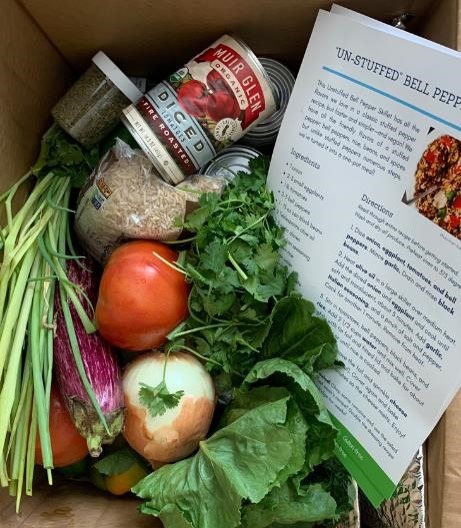
Inside, the box is carefully packed with fresh vegetables, pantry staples, and a newsletter with tips and tricks for how it might all come together. With what’s inside, someone could prepare a stir fry or a pasta dish, meals that can stretch across a few days and feed a family more than once.
As Sarah Hovseth, Director of External Affairs at The Good Acre put it, “our goal is to make the experience as easy and as consistent as possible for people,” from the moment they receive a text to the moment they open the box.
For the people receiving these deliveries, the food is not just about having something to eat. It is part of how they work to manage their health and wellbeing, including chronic conditions like diabetes or high blood pressure, making access to fresh, consistent ingredients all the more important.
The exchange at the door is a brief but meaningful moment, made possible by thoughtfully designed “Food is Medicine” programming led by Fairview Health Services and a network of people and partners working together.
Growing food for a community is demanding work that requires land, equipment, labor, and time, along with a willingness to take on significant risk. Weather can shift unexpectedly, markets can fluctuate, and costs continue to rise, all of which make farming an inherently uncertain endeavor.
For many farmers, especially those in the early stages of building their business, the challenge does not end once the food is grown, they also have to figure out where that food can go.
Wholesale markets, while essential for scaling, can be difficult to access. Requirements are often strict, and products are expected to meet highly specific standards. Even something as small as the length of a cucumber can determine whether it is accepted or rejected. At the same time, farmers are making critical decisions about how much to grow and how to adapt their operations to meet demand.
Without reliable buyers, those decisions become significantly more difficult, limiting both a farmer’s ability to plan for the future and their capacity to grow.
The Good Acre was built to help address the multi-faceted challenges facing farmers.
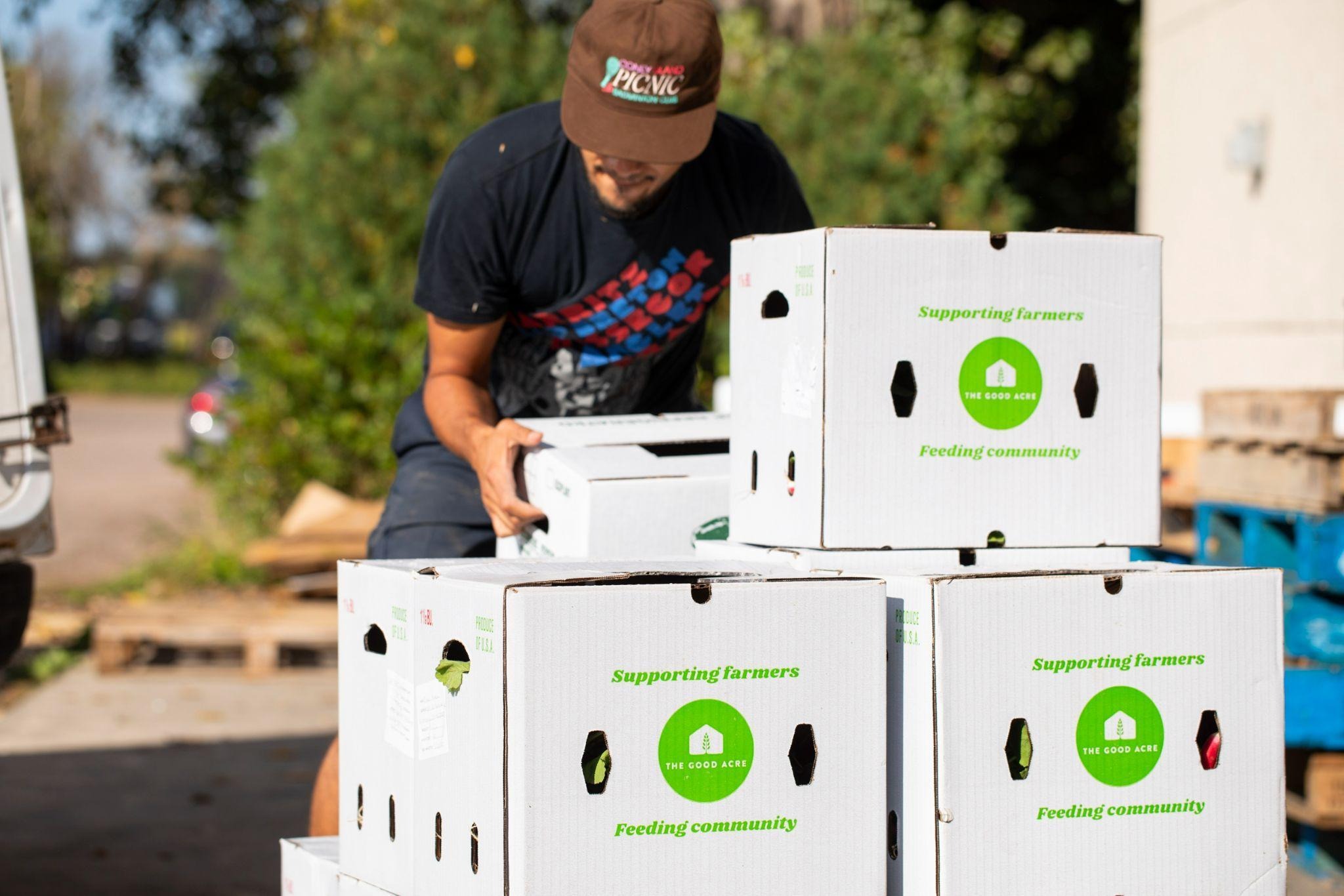
As the largest food hub in Minnesota, the organization works with more than 150 farmers and food producers, many of whom are BIPOC and first-generation farmers working to build and grow their businesses. Their mission is centered on unlocking economic opportunity for farmers in the region, while strengthening the broader food system through sustainability and community well-being.
Their approach brings together personalized support and intentional market development. A team of grower support specialists works closely with producers who are ready to grow beyond farmers markets and into wholesale, helping them navigate the realities of scaling a business, including taking on the risks and experimentation that come with entering new markets.
At the same time, a dedicated sales team is focused on expanding demand, building relationships with buyers, and creating new opportunities for farmers to sell their products, opening up more consistent and viable markets across the region.
This model reflects a clear understanding that farmers need more than the ability to grow food. They need the support to take on new markets and the confidence that there will be consistent demand on the other side.
Food access programs, an important part of hunger relief efforts are often fueled by food rescue or donations. But Fairview prioritizes sourcing fresh local produce for patients who can most benefit from consistent access to nutritious food and they work with The Good Acre to make that possible.
As Sarah explained, these programs create space in the market that does not always exist elsewhere. “Having an outlet like this makes it possible for farmers to sell food that may not meet the strict visual standards of traditional wholesale,” she said. “The expectations are more flexible, but the food is just as fresh and high quality. It might just be less uniform in size or shape. And having those outlets in place gives farmers the ability to take on the risks that come with expanding their business, knowing there is somewhere for that food to go.”
For The Good Acre, reaching people who need food the most is closely connected to supporting farmers and creating markets that can sustain their growth.
Fairview’s Fresh Food Prescription Food Boxes is one piece of their Food is Medicine initiative and Fair Table programs. It's designed to provide patients and community members experiencing food insecurity with the resources needed to feel confident, motivated, and excited to cook healthy meals at home.
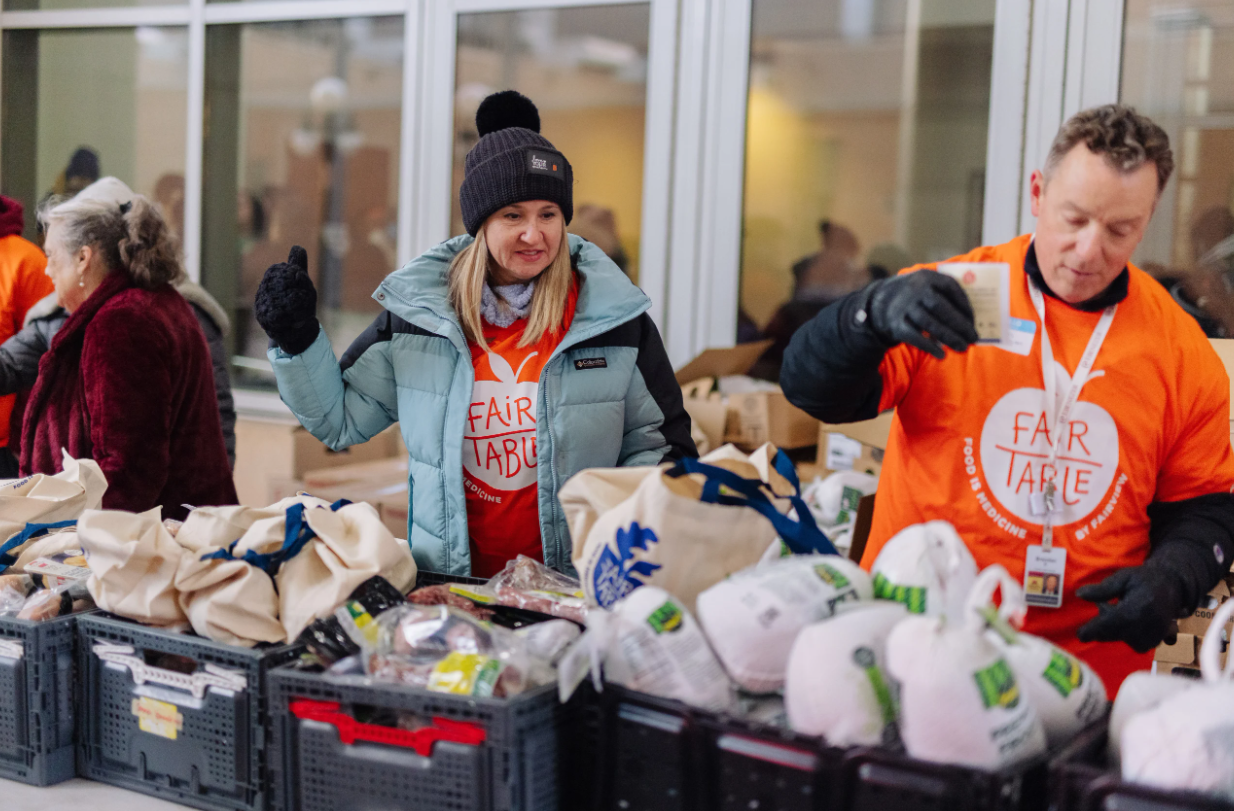
Patients are referred to a Fairview food resource navigator through their primary care provider, who then offer enrollment support and connection to other resources, including regular home deliveries of fresh, locally sourced food. This is an illustration of how Food is Medicine initiatives can be integrated into a patient’s overall care.
Each delivery reflects a coordinated effort across partners. The Good Acre sources and packs the food, which typically includes fresh vegetables, local proteins, pantry staples, and suggested recipes designed to highlight local and culturally significant foods. Fairview leads program design and participant engagement, from planning ingredients and selecting recipes to enrollment, care coordination, and tracking outcomes. Food Connect ensures those boxes arrive directly at each participant’s home.
“The food box component of our initiative didn’t start as a single, defined model,” explained Terese Hill, Manager of Food is Medicine Strategy at Fairview. “It grew out of a broader effort to connect healthcare and community organizations around the social drivers of health, things like food and housing that have a major impact on wellbeing outside the doctor’s office.”
More than 10 years ago, Fairview helped convene a coalition of partners across the East Side of Saint Paul, including community organizations, local businesses, government services, and producers. Together, they built a shared approach to increasing access to healthy food, grounded in local sourcing, culturally relevant options, and investment in regional economies. Over time, the model has continued to evolve as partners adapt to changing needs and bring new expertise to the collective effort.
“The food box program is really a perfect example of how we do this work, recognizing great organizations and finding ways to complement and expand the impact together,” said Terese. “We know that how we do this work can be just as important as what we’re doing, by co-designing and co-implementing options, we’re able to stay committed to thoughtful, intentional, and dignified responses that meet the variety of barriers someone may be dealing with in addition to food access."
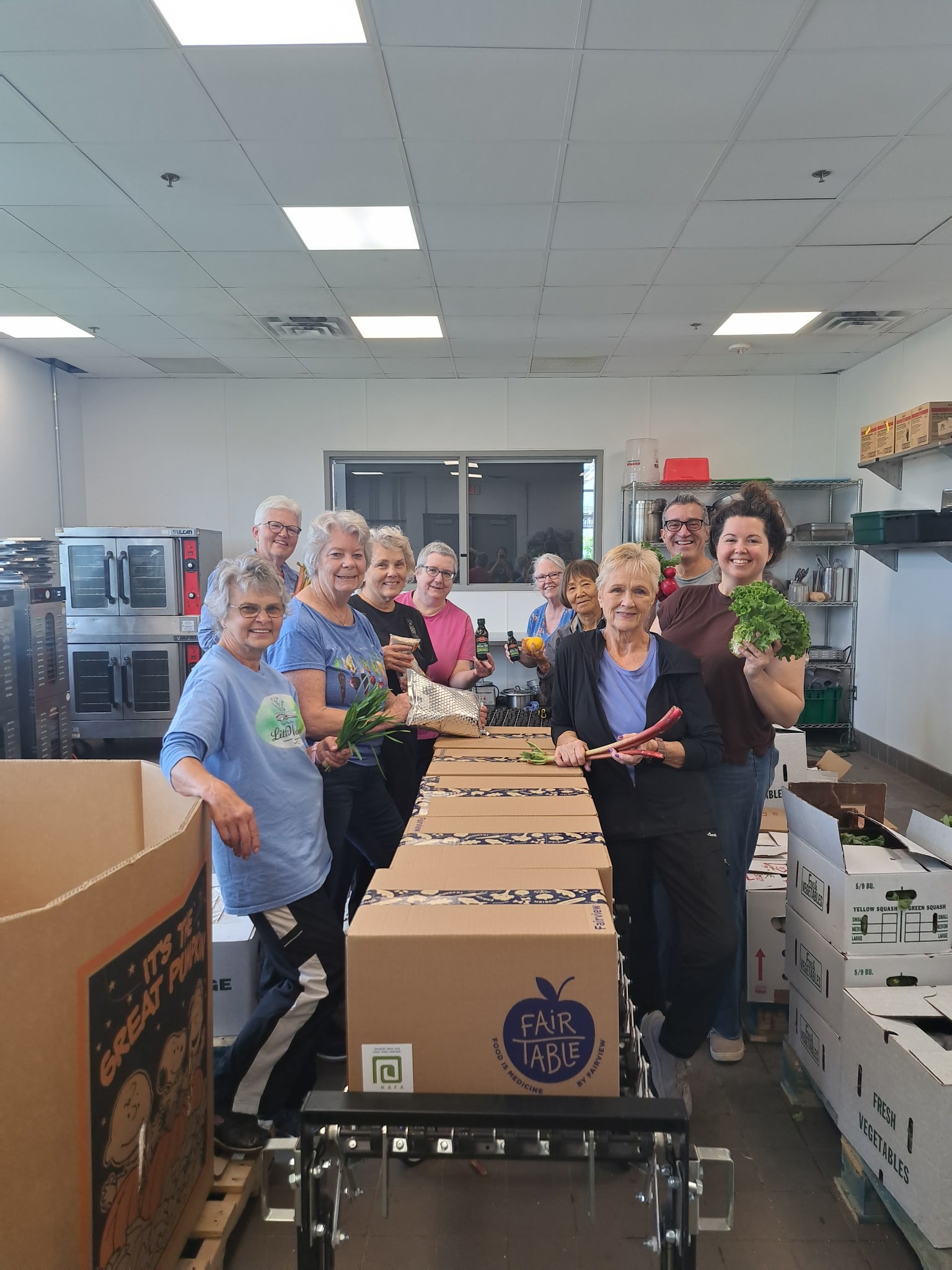
As the program has evolved, so has the way partners collaborate. Responsibilities have become more clearly defined, allowing each organization to focus on what they do best. The Good Acre’s role in aggregating from local farmers reduces the need to coordinate across multiple suppliers while maintaining a steady flow of fresh, local food, allowing Fairview and other partners to focus on engagement, education, and participant support.
For many of the people this program is designed to reach, getting to a pickup location is not a simple task. Some participants are managing mobility challenges. Others are navigating chronic health conditions that make travel difficult. Even when food is available, reaching it can remain a barrier.
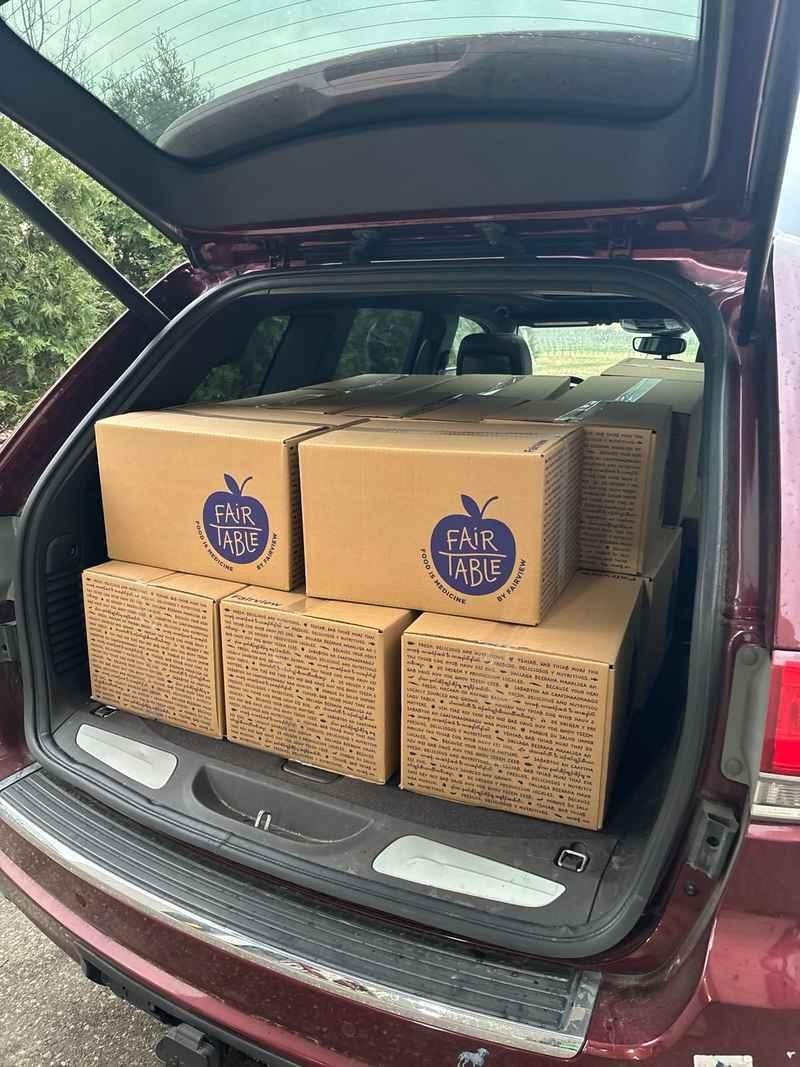
Home delivery changes that in a way that is both practical and deeply personal.
“The difference Food Connect’s drivers have made is huge,” expressed Terese. “Derek and Alice communicate directly with participants, care about specific delivery instructions, and take the time to understand what each person needs. We've had visually impaired participants and others with mobility challenges who rely on the box being placed in a very specific spot so they can retrieve it. In those moments, Derek and Alice have adapted their delivery by handing the box directly to them or making sure the box is exactly where it needs to be.”
These seem like small actions, but they shape a participant’s experience. They reflect a level of care and consistency that is not always present in traditional food distribution models. As Sarah noted, “a lot of times in hunger relief, people are not getting treated with dignity.” Here, that experience is different by design.
The result is not just food delivered to a doorstep, but part of the support that people can rely on and engage with over time.
How consistent access drives measurable change
Over time, those details start to add up.
People become more familiar with the ingredients they receive, and recipes that once felt unfamiliar begin to take shape as part of a weekly routine. Pantry staples included in each delivery help build a foundation that lasts beyond a single box, making it easier to prepare meals consistently at home.
As those habits take hold, the impact becomes measurable. According to a recent case study from Fairview, participants in the program saw an average reduction in A1C levels from 8.5 to 7.9, along with improvements in blood pressure for more than half of those enrolled. These outcomes reflect the role that consistent access to fresh, nutritious food can play in managing chronic conditions.
At the same time, farmers benefit from having a dependable place for their food to go, allowing them to plan ahead and continue investing in their operations with greater confidence and increasing their ability to grow and produce food for their local community members.
For participants, the change is not only physical, but emotional. In that same case study, more than 75% of participants reported increased confidence in their ability to access food, pointing to a growing sense of stability and control in their day-to-day lives.
Through Fairview's Food is Medicine initiative, what has taken shape is more than a single program. It is a collaborative effort across healthcare, agriculture, and logistics, where each partner plays a distinct role and the system works more effectively because of it.
Farmers have more reliable outlets for what they grow, and patients have more consistent access to the food they need to manage their health. Together, the partners are building on what is already working and adapting as needed to meet changing needs.
The intentional collaboration and strategic approach to providing holistic, dignified care to people in the Twin Cities continues to drive momentum for the groups involved as they explore opportunities to expand the model and reach more people.
This story was developed with input and permission from Terese Hill at Fairview Health Services and Sarah Hovseth and Anna Richardson at The Good Acre.
5/1/2026

Get the latest updates on food rescue efforts, community impact, and ways to get involved


.webp)

