

Back to News
Across the country, 2025 has been one of the most turbulent years for food access in recent memory. Sudden federal funding cuts to food assistance programs in the spring and delayed SNAP benefit disbursements at the start of November left families navigating uncertainty and impossible trade-offs. In that moment, community organizations and local food system leaders stepped up in powerful ways, and Food Connect was honored to be one of those integral partners.
This year reminded me why our mission matters. At Food Connect, we work to close the persistent gaps in our food system by providing immediate and reliable transportation logistics that deliver healthy meals, reduce food waste and make sure food reaches people who need it most.
Every decision we made in 2025 was guided by our vision: a world where no one goes hungry, and where the local food system strengthens the health, social, and economic well-being of every community.
Thanks to the strength of our partnerships and the heart of our teams, this year was filled not only with challenges but also with extraordinary collective achievement. As I reflect on all that we overcame in 2025, I’m feeling hopeful for the future.
As you read on about all that Food Connect and our valued community partners accomplished, I hope you feel as confident as I do that, together, we can build resilient, community-centered food systems that every neighbor deserves.
Megha Kulshreshtha
Food Connect CEO & Founder
Food Connect reached a historic milestone in 2025, delivering more than 4 million pounds of last-mile food! That’s enough food to provide breakfast, lunch and dinner for more than 2,200 families of four for the full year.
Last-mile delivery is the most difficult and resource-intensive part of the food system. Achieving this milestone proves that with the right partners, infrastructure and commitment, communities can overcome the barriers that often prevent food from reaching people reliably and efficiently.
The year also marked important growth, with new markets launched in the Twin Cities, Minnesota and Newark, NJ and strong results across every region, delivering more food to more families than expected.
When November SNAP benefits were delayed due to the federal government shutdown, families across the country felt the impact immediately. In Philadelphia, where Food Connect was founded, people stood in lines at food pantries that were wrapped around the block and families checked empty EBT balances with increasing worry. Our neighbors needed support, and our partners needed additional capacity.
Food Connect worked alongside food banks, resource hubs, nonprofits and city officials to respond. We increased home deliveries, coordinated urgent food rescues, and supported community driven events across the city. Our drivers worked long hours to help ensure households had access to fresh, nutritious food during a difficult moment.
This response reminded me why dependable last-mile logistics matter. When systems start to break down, communities look to trusted relationships and reliable infrastructure. A coordinated, community-driven response can spur strategic solutions to immediate needs and help build stronger systems for the future.
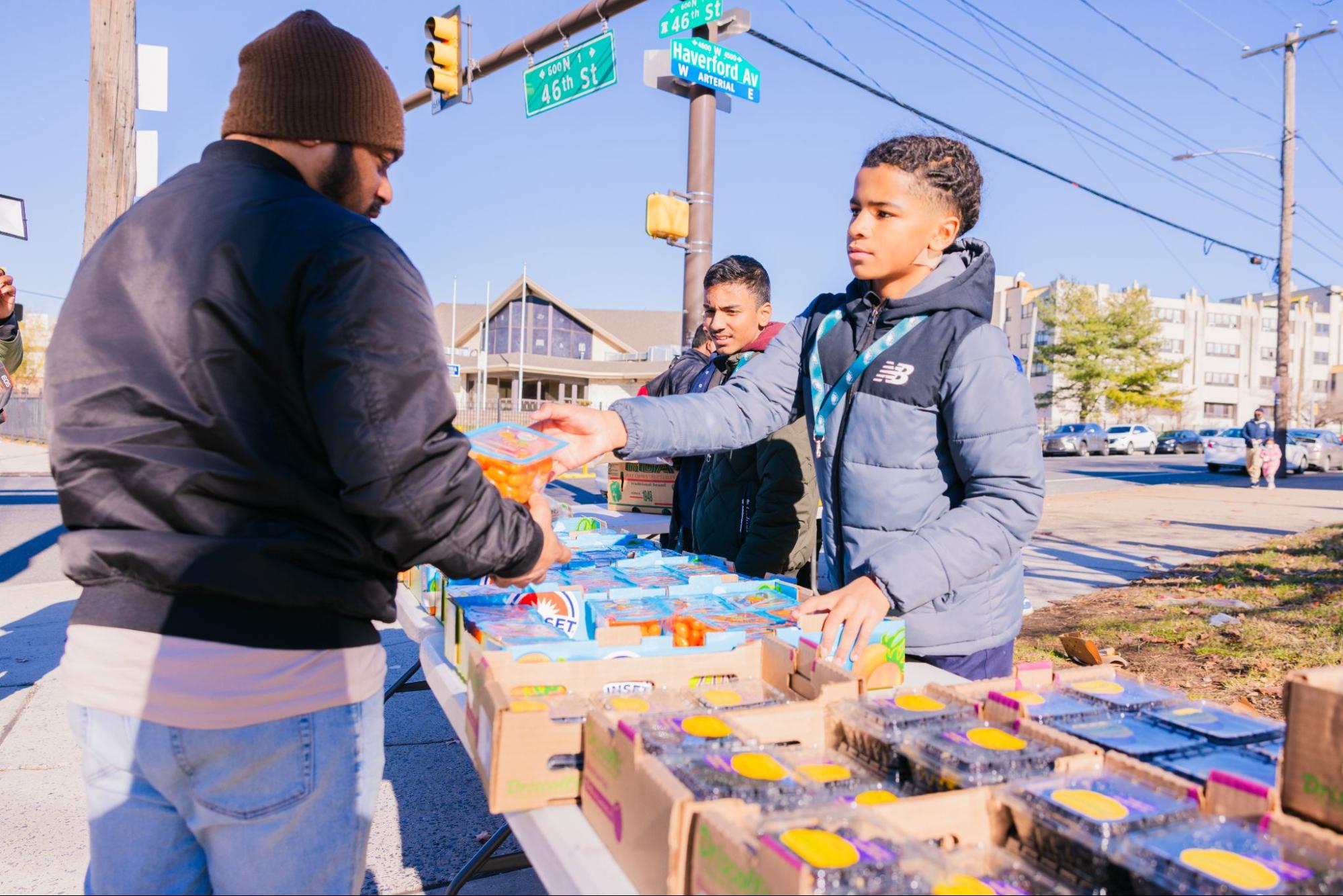
I noticed strong community response in cities across the country. We were grateful to be part of these community-rooted conversations and provide immediate logistical support in each of our five markets during this period of heightened need. Read more about our response to this crisis.
While each Food Connect market faced unique challenges and opportunities in 2025, all five demonstrated growth, collaboration and innovation.
Food Connect Bay Area played a critical role in keeping food moving during a year shaped by volatility and urgent community need. When sudden federal cuts disrupted farm-to-community programs, our team quickly paused and reactivated routes to ensure fresh food kept reaching households. We expanded prepared meal delivery, strengthened culturally grounded programs supporting new mothers and increased transportation capacity during the November SNAP delays. Through these valued partnerships, we distributed 2.1 million total pounds of food this year - the equivalent of nearly 5,000 meals each day! These efforts reflect a regional network grounded in collaboration, community leadership and the shared goal of reliable, dignified food access. More 2025 Highlights from Food Connect Bay Area.
.jpg)
Leaders across the food access network in and around Philadelphia demonstrated extraordinary collaboration this year, and Food Connect Greater Philadelphia was proud to contribute. Working alongside 29 partners, we expanded school-based distribution to all Philadelphia Community Schools, increased Food as Medicine programming with CHOP and provided essential immediate transportation support to ensure food reached families reliably. Across the region, we delivered an average of 170,000 pounds of food each month, providing the equivalent of 4,800 nutritious meals a day to households across Greater Philadelphia. More 2025 Highlights from Food Connect Greater Philadelphia.
.jpg)
This year, Food Connect Kansas City worked alongside community leaders to strengthen a regional food ecosystem that is growing in scale and coordination. Partners turned to our team for dependable transportation that kept fresh food and pantry staples moving to families across communities. We coordinated urgent food rescues, provided delivery support for rural families during the November SNAP delays and expanded access to culturally relevant, medically tailored foods through our partnership with Vibrant Health. By collaborating with clinics, food assistance organizations and local coalitions, our collective efforts helped expand both immediate food access and long-term community health. More 2025 Highlights from Food Connect Kansas City.
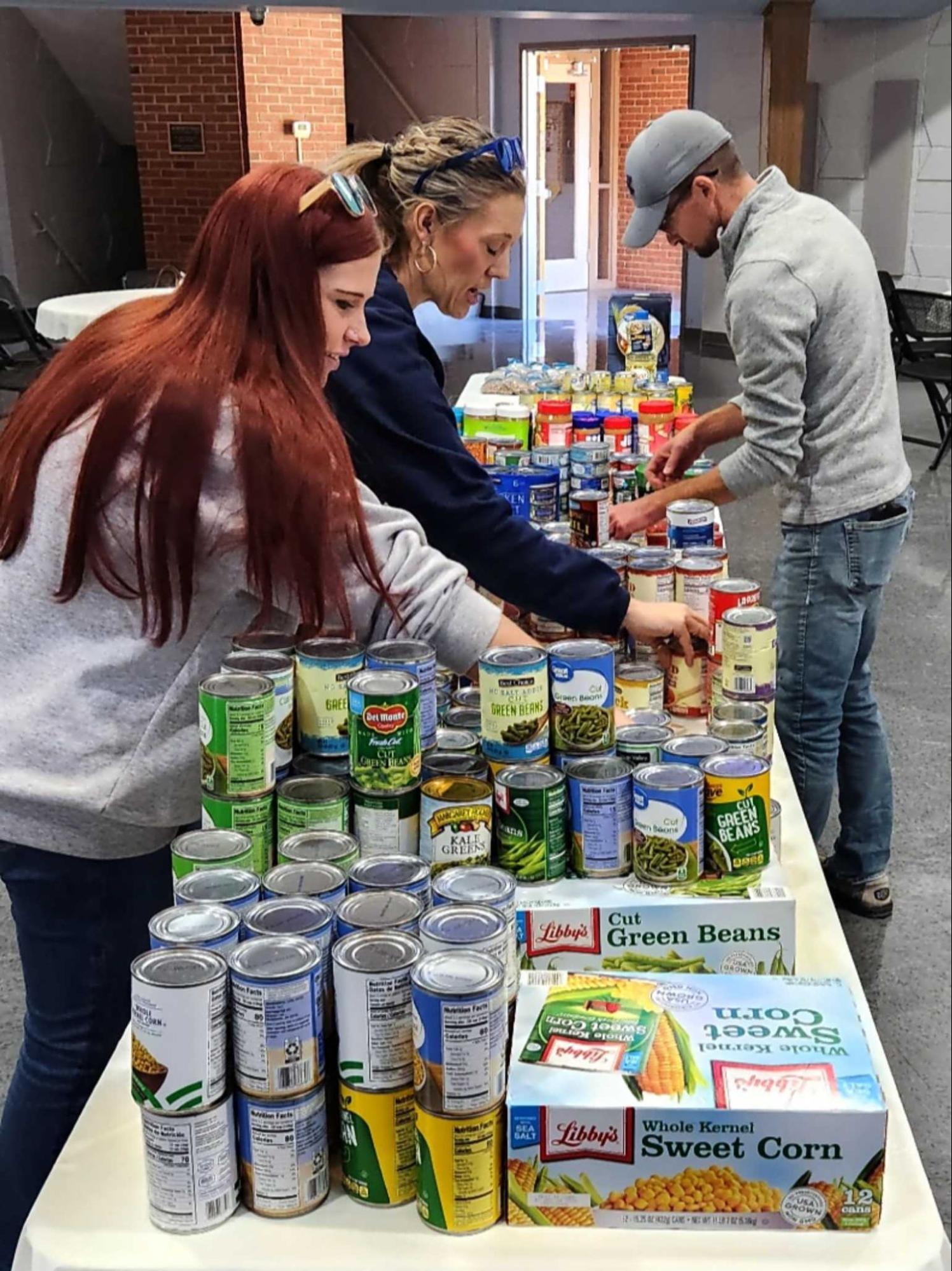
2025 was a powerful first year for Food Connect Twin Cities. We partnered with the Department of Indian Work to deliver culturally grounded foods to Native American elders and with Fairview Health Services and The Sanneh Foundation to transport physician-prescribed food boxes to patients managing chronic health conditions. Together, we distributed over 140,000 pounds of fresh food to neighbors across the region and began shaping a long-term delivery infrastructure centered on dignity, care, and collaboration. More 2025 Highlights from Food Connect Twin Cities.
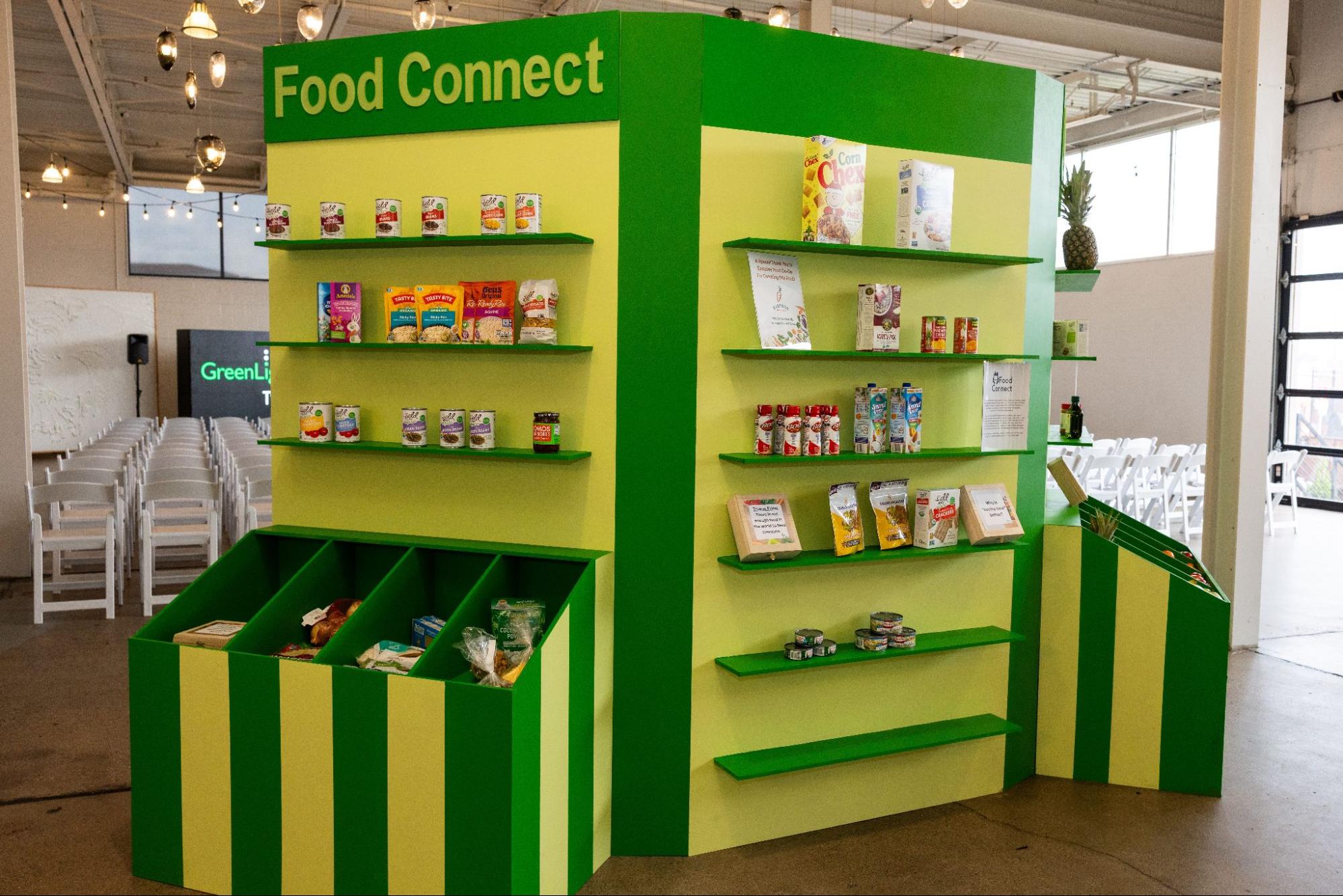
After launching in October, Food Connect Newark stepped into a moment of urgency, as SNAP benefit delays created a sudden surge in need. Mayor Baraka convened community leaders from over 100 organizations to coordinate a rapid response plan centered on the creation of five emergency community hubs. We joined an effort led by MEND, a hunger relief network rooted in Essex County, to help transport food quickly and reliably to each neighborhood hub. These early efforts have shaped our approach to providing last-mile food delivery logistics to help accelerate food access solutions led by Newark organizations now and in the years ahead. More 2025 Highlights from Food Connect Newark.
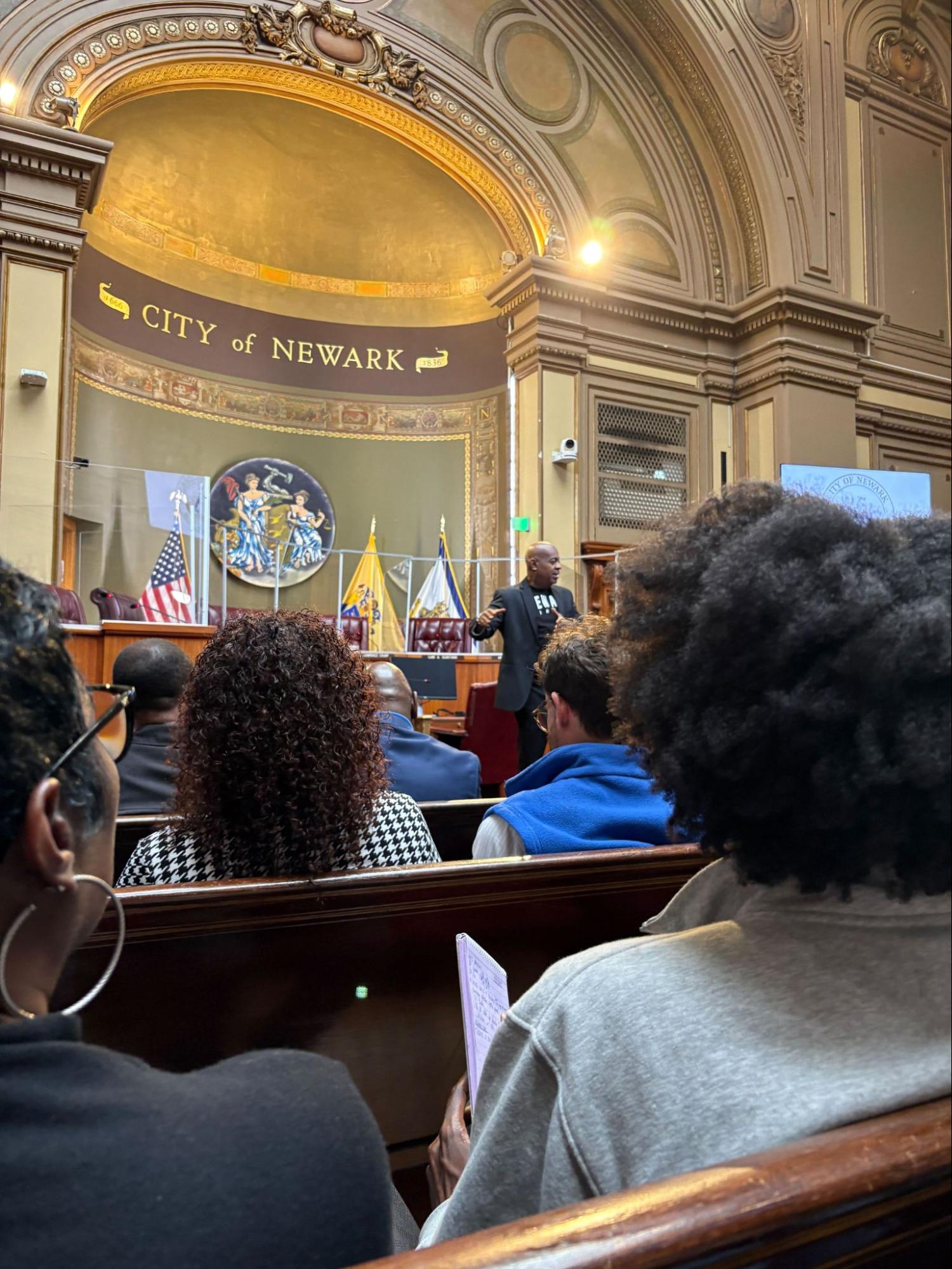
Our work is only as strong as the people and organizations behind it. In 2025, cross-sector partnerships with food banks, hospitals, mutual aid groups, city governments and grassroots organizations powered our collective impact.
These relationships are the backbone of resilient local food ecosystems, and we are deeply grateful for every organization we work alongside to ensure food gets to those who need it most.
As we enter 2026, our work continues to be guided by our Strategic Framework and our long-term vision for more equitable, community-centered food systems.
We will strengthen delivery excellence by improving route management, investing in technology that reduces manual work, and supporting consistent, high-quality service across all markets. We will continue to serve hard-to-reach communities by prioritizing homebound individuals, seniors and people living with chronic illness while maintaining the flexibility to meet urgent needs.
We will uphold compassionate, human-centered care by tailoring services to language, culture, and neighborhood context and by investing in drivers through competitive wages, benefits, and career pathway opportunities. We will advance economic mobility by hiring from the communities we serve and expanding training programs that support long-term careers in logistics and operations.
We will continue to measure, learn, and adapt by elevating community voice, improving simple and accessible data systems, and using insights to refine programs and direct resources to the solutions that create the greatest impact.
While the year ahead will bring new challenges, it will also bring meaningful opportunities to build food systems that are stronger, healthier and more connected for the communities we serve.
.jpg)
We welcome new supporters, partners and funders who want to strengthen food access and community health in their regions.
To connect with our team and support our work:
• Consider donating: A $20 contribution funds enough food for 35 meals
• Subscribe to the Food Connect newsletter to receive periodic updates
• Follow us on social media: Linkedin | Instagram | Facebook | X
• To learn more about partnership opportunities, reach out to our Vice President of Impact, Aurica Donovan: aurica@foodconnectgroup.com
Together, we can move food farther, faster, and more equitably and ensure no one is left out of their local food system.
12/15/2025

Get the latest updates on food rescue efforts, community impact, and ways to get involved


.webp)

